
Gastric Sleeve Surgery
Gastric Sleeve Recovery Timeline | Day by Day & Return to Work
Gastric Sleeve Surgery · 6 min read · November 2026
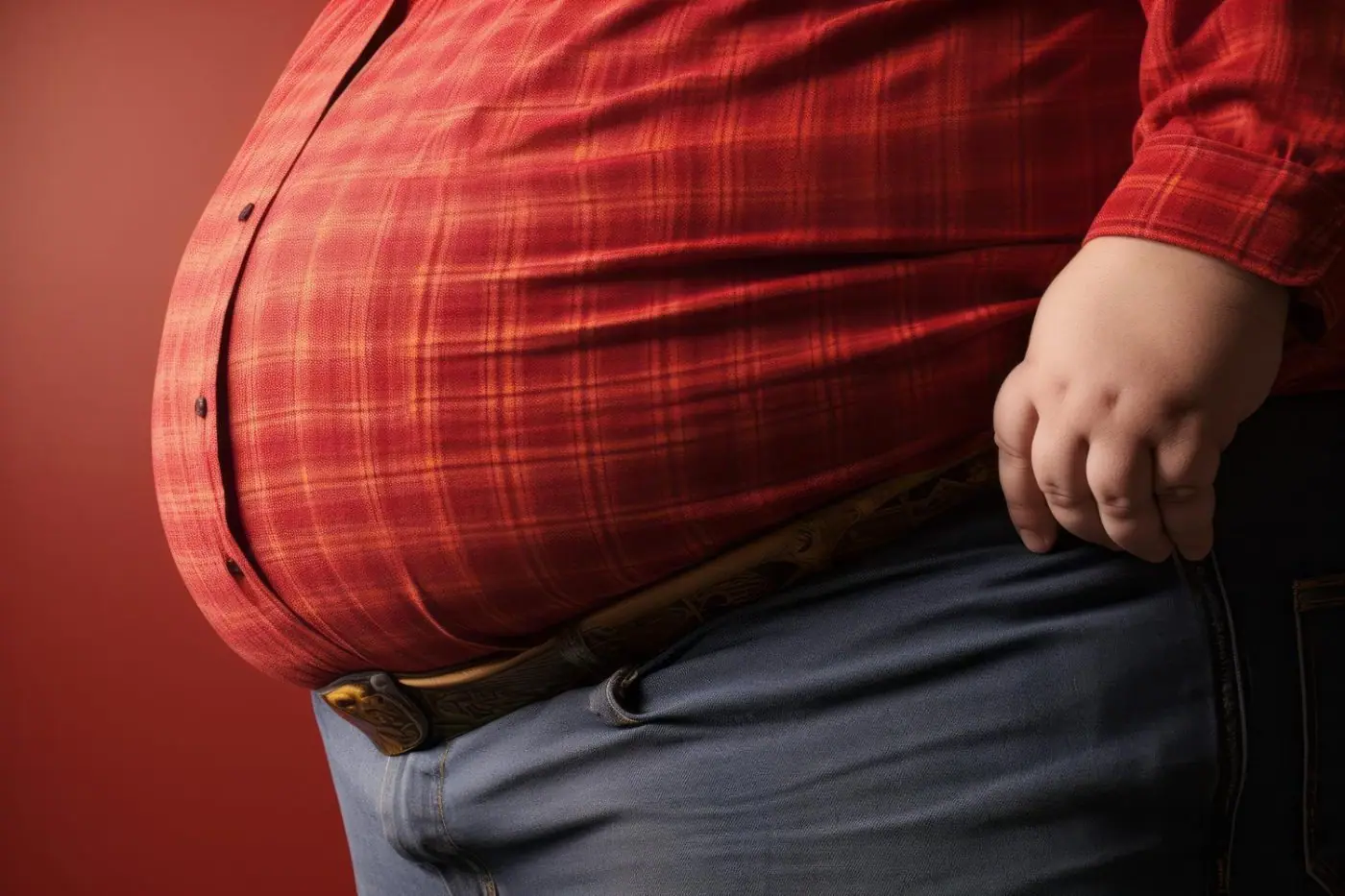
Gastric sleeve recovery timeline: what to expect day by day and week by week, including hospital stay, diet progression, activity and return to work.
Recovery Timeline After Gastric Sleeve Surgery
Recovery after gastric sleeve surgery happens in stages. Most patients begin walking within hours of surgery, gradually progress from liquids to more solid foods, and return to normal daily activities over the following weeks.
The exact recovery timeline varies from person to person and depends on factors such as age, overall health, starting BMI, previous surgery and how the body responds during the early post-operative period.
Gastric Sleeve Recovery: Quick Overview
Recovery happens in stages. Early walking usually begins soon after surgery, diet progresses gradually from liquids to more textured foods, and return to work depends on the patient’s recovery and the physical demands of the job. Heavy activity generally requires more time than desk-based work.
What Happens Immediately After Gastric Sleeve Surgery?
After surgery, patients are monitored closely while they recover from anaesthesia. Pain control, hydration, vital signs and early mobilisation are important during this period.
Walking usually begins within the first several hours when the medical team considers it safe. Early movement helps support circulation, lung function and recovery.
Day 1 After Gastric Sleeve Surgery
During the first day, the main priorities are mobilisation, hydration and monitoring.
Patients may experience:
- Abdominal discomfort or pressure
- Gas-related pain
- Nausea
- Fatigue
- Reduced appetite
These symptoms are common during the early recovery period and usually improve gradually.
Patients are generally encouraged to take short walks regularly and begin drinking according to the post-operative plan.
Days 2–3 After Surgery
By the second and third day, many patients are able to walk independently and tolerate increasing amounts of fluid.
The medical team continues to monitor:
- Hydration
- Pain control
- Heart rate and other vital signs
- Nausea or vomiting
- Ability to tolerate liquids
Discharge timing depends on the patient’s condition and the clinical protocol. Many patients remain in hospital for several days after surgery.
The First Week After Gastric Sleeve Surgery
The first week focuses on rest, hydration, walking and adaptation to the new stomach size.
Patients should avoid strenuous activity but are encouraged to walk regularly throughout the day.
Fatigue is common, and energy levels may vary. The body is recovering from surgery while also adapting to a significantly reduced calorie intake.
Diet During the First Week
The post-operative diet usually begins with liquids. The exact programme can vary between bariatric teams, so patients should follow the plan provided by their surgeon and dietitian.
Small, frequent sips are generally easier to tolerate than drinking large amounts at once.
For more detail, see what to eat after gastric sleeve surgery.
Weeks 2–4 After Gastric Sleeve Surgery
During the second to fourth week, many patients begin to feel more comfortable and notice improving energy levels.
Diet progression usually continues gradually according to the bariatric programme. Patients may move from liquids to puréed or soft foods depending on their recovery and medical guidance.
Walking can usually be increased gradually, but heavy lifting and strenuous exercise should still be avoided until the surgical team confirms that healing is adequate.
When Can You Return to Work?
Return to work depends on the type of job and the patient’s recovery.
Patients with desk-based or light-duty jobs may often return within approximately one to two weeks if they feel well and are able to maintain hydration and nutrition.
Jobs involving heavy lifting, prolonged physical exertion or demanding manual work may require a longer recovery period.
The final decision should be based on the individual patient’s condition rather than a fixed date.
When Can You Drive After Gastric Sleeve Surgery?
Driving should be avoided while taking medication that affects alertness or reaction time, and until the patient can move comfortably and perform an emergency stop without significant pain.
Patients should follow the specific advice of their medical team before returning to driving.
When Can You Exercise After Gastric Sleeve Surgery?
Walking is encouraged early because it supports circulation and recovery.
More demanding exercise should be introduced gradually. Heavy lifting, abdominal exercises and intense resistance training are usually postponed until the surgical team confirms that healing is sufficient.
Activity progression should be individualised according to symptoms and recovery.
One Month After Gastric Sleeve Surgery
By around one month after surgery, many patients are able to perform most normal daily activities more comfortably.
Diet progression continues, energy levels usually improve and physical activity can often be increased gradually.
However, patients should still pay close attention to hydration, protein intake, portion size and any symptoms that develop.
Two to Three Months After Surgery
By this stage, many patients have established a more regular eating routine and can tolerate a wider range of foods.
Weight loss is often still rapid during the first few months. Physical activity can usually be increased progressively, provided the patient has recovered well and has medical clearance.
Follow-up remains important because nutritional habits established during this period can influence long-term results.
Six Months After Gastric Sleeve Surgery
At six months, many patients have experienced significant weight loss and major changes in portion size, appetite and daily activity.
The focus gradually shifts from early recovery to long-term weight management, nutrition, exercise and monitoring of vitamin and mineral status.
Read more about weight loss after gastric sleeve surgery.
What Symptoms Are Normal During Recovery?
Some symptoms can occur during normal recovery, particularly in the early period.
These may include:
- Mild abdominal discomfort
- Fatigue
- Reduced appetite
- Temporary nausea
- Gas-related discomfort
Symptoms should gradually improve rather than become more severe.
What Warning Signs Require Medical Attention?
Patients should seek medical advice promptly if they develop symptoms such as:
- Severe or increasing abdominal pain
- Persistent vomiting
- High fever
- Rapid heart rate
- Shortness of breath
- Chest pain
- Significant bleeding
- Inability to drink enough fluid
These symptoms do not always indicate a serious complication, but they should not be ignored.
See risks and complications of gastric sleeve surgery for more information.
How Can You Support a Smooth Recovery?
Patients can support recovery by following the bariatric team’s recommendations carefully.
- Walk regularly from the early post-operative period
- Drink fluids slowly and consistently
- Follow the recommended staged diet
- Prioritise protein as advised
- Take prescribed medication and supplements
- Avoid smoking
- Avoid heavy lifting during the healing period
- Attend scheduled follow-up appointments
How Long Does Full Recovery Take?
There is no single recovery time that applies to everyone. Many patients can resume light daily activities within a relatively short period, while complete adaptation to the operation and new eating pattern takes longer.
The first few weeks focus on healing, hydration and diet progression. The following months are more focused on weight loss, exercise, nutrition and long-term lifestyle changes.
Learn More About Recovery After Gastric Sleeve Surgery
This article has been prepared for general health information purposes. The information it contains does not constitute personal medical advice, diagnosis or treatment recommendations. An assessment by a specialist physician is required before making decisions about your health and treatment options.