
Obesity and Metabolic Surgery
Gastric Sleeve Surgery
Gastric sleeve surgery is a laparoscopic obesity surgery procedure in which about 70–80% of the stomach is removed to create a smaller, sleeve-shaped stomach. It supports weight loss by producing a feeling of fullness with smaller amounts of food.
The right treatment isn't the same for every patient. The decision to operate is made by assessing body mass index, existing conditions, medical history and personal needs together. The aim is not only weight loss, but improving long-term health and quality of life.
How Does the Stomach Change in a Gastric Sleeve?
In a gastric sleeve, a large part of the stomach is surgically removed. What remains is a smaller, sleeve-shaped stomach that keeps its natural connection between the oesophagus and the small intestine. This new shape limits how much food can be eaten at one time, making it easier to feel full with smaller portions.
The effect of the operation isn't limited to a smaller stomach volume. Changes also occur in the hormones that regulate hunger and fullness. In particular, levels of ghrelin, the hormone associated with hunger, usually decrease. Together with the post-operative eating plan, these changes support weight loss.
Who is a gastric sleeve suitable for?
Suitability for a gastric sleeve isn't determined by BMI alone. Existing conditions, previously tried weight-loss methods, medical history and overall health are assessed together. The right approach for each patient is determined through a personal medical assessment.
01
A BMI of 35 or Above
According to current international guidelines, surgical treatment may be recommended for people with a BMI of 35 or above, even without an obesity-related condition.
02
A BMI of 30–34.9
People with metabolic conditions such as type 2 diabetes, or who have not achieved lasting and sufficient weight loss with non-surgical methods, may also be assessed for surgery.
03
No Adequate Result from Non-surgical Methods
Sufficient and sustainable weight loss may not have been achieved despite diet, physical activity, professional support or appropriate medication.
04
Medically Fit for Surgery
Overall health, existing conditions, current medications and anaesthesia risks are assessed through examination and tests before surgery.
05
Ready for Lifestyle Changes After Surgery
After surgery, it is important to adjust eating habits, take the necessary vitamin and mineral supplements and keep up regular health check-ups.
These criteria are a general guide. Suitability for surgery isn't determined by BMI alone. The final decision is made after a detailed health assessment, the necessary tests and a discussion with the patient.
Gastric Sleeve Surgery: From First Consultation to Recovery
01
First Consultation and Assessment
Your height, weight, medical history, medications and previously tried weight-loss methods are assessed. Whether surgery is suitable for you, and your expectations, are discussed.
02
Pre-operative Preparation
Blood work, any necessary imaging and specialist assessments are carried out. Your fitness for anaesthesia is checked, and your surgical plan is finalised based on the results.
03
Surgery Day
The gastric sleeve is performed under general anaesthesia using a laparoscopic (keyhole) technique. After surgery you are closely monitored by the care team. When you are ready, early walking and recovery begin.
04
Hospital Recovery and Discharge
After surgery you are usually monitored in hospital for 3 nights. Your fluid intake, mobility and general health are assessed. Once everything is progressing well, your discharge is planned.
05
Moving to a New Eating Pattern
After surgery, nutrition progresses through liquid, purée and soft food stages. Your expert dietitian guides you at each stage on when, how much and how you should eat.
06
Lifelong Support and Follow-up
Our support doesn't end at discharge. Dr. Gürdal Ören and his team follow your recovery through regular check-ups and the HaloScape AI-supported follow-up system. Lifelong free support from an expert dietitian helps you keep up healthy eating habits and maintain your weight control.
What to Keep in Mind Before Gastric Sleeve Surgery
Preparing for a gastric sleeve is an important step towards a safe surgical process. Before surgery, your health, medications and eating habits are assessed. Our team will tell you what to keep in mind until the day of surgery.
Your regular medications are reviewed and adjusted under a doctor's supervision if needed. You receive personal instructions on the eating plan for the day before surgery, the fasting period and other preparations.
Before surgery, anaesthesia, endocrinology, psychiatry, general surgery and expert dietitian assessments are carried out. Your medical history, existing conditions, medications and test results are reviewed together to assess your suitability for surgery.
Pre-operative Nutrition Prep
Depending on your health and BMI, a special eating programme may be recommended before surgery. The eating and fasting rules for the final days before surgery are explained to you in detail by our team.
Medication and Final Preparations
Your regular medications are reviewed and adjusted under a doctor's supervision if needed. You receive personal instructions on the eating plan for the day before surgery, the fasting period and other preparations.
Gastric Sleeve Surgery Day: What to Expect
The gastric sleeve is performed under general anaesthesia using a laparoscopic (keyhole) technique. From the final checks before surgery to your first walk afterwards, the whole process takes place under the supervision of our care team.
01
Final Preparations Before Surgery
You are admitted to hospital the day before surgery. The necessary tests and specialist assessments are completed. On the day of surgery, after your final checks, you are prepared by the anaesthesia team and taken to the operating room.
02
Laparoscopic Gastric Sleeve Surgery
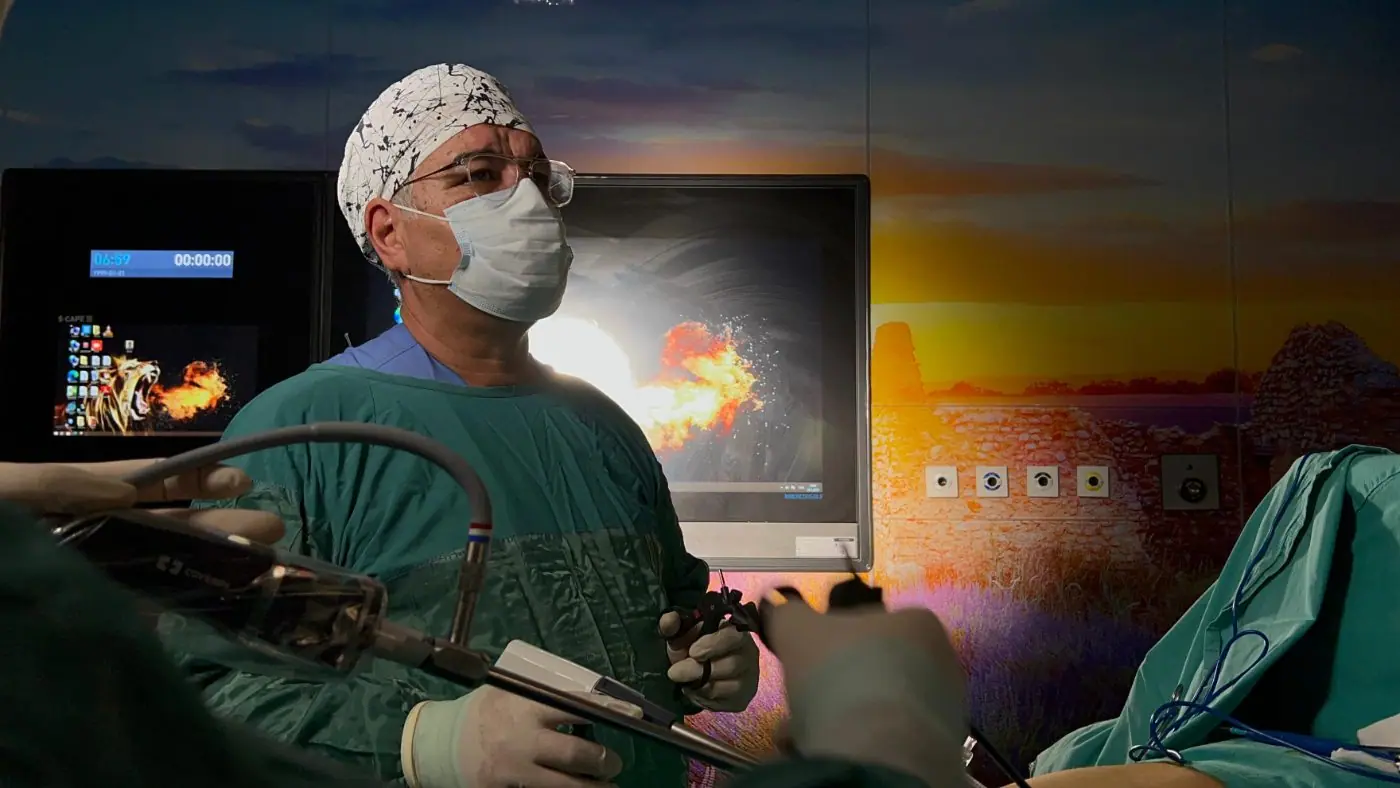
In the operation, performed by Dr. Gürdal Ören, about 70–80% of the stomach is removed through small incisions in the abdomen. What remains is a smaller, sleeve-shaped stomach. The surgical procedure itself usually takes 15–20 minutes; including anaesthesia and operating room preparation, the total time is longer.
03
The First Hours and Early Movement
After surgery you are monitored in the recovery area, then taken to your room. When your condition allows, usually 3–4 hours after surgery, you take your first walk with the support of the care team. Fluid intake begins the next day, following your doctor's assessment.
Nutrition After Gastric Sleeve Surgery
After a gastric sleeve, nutrition progresses in stages to help the stomach heal and adapt to its new shape. The move from liquids to normal eating is planned according to a personal nutrition programme prepared by your expert dietitian.
01
Stage: Liquids
After surgery, with your doctor's approval, you start with clear fluids. Water, strained soups and suitable protein-containing liquids are then added to the plan. Fluids are taken slowly, in small sips.
02
Stage 2: Purées
After the liquid stage, you move on to smooth, easily digested foods. Portions are kept small and adequate protein intake comes first. New foods are added gradually, as advised by your dietitian.
03
Stage 3: Moving to Soft Foods
As healing progresses, soft, easily chewed foods are added to meals. Taking small bites, chewing well and paying attention to the feeling of fullness form the basis of new eating habits during this period.
04
Stage 4: Balanced, Normal Eating
Depending on how your stomach heals and how well you tolerate foods, you move on to foods of normal consistency. Small portions, a balanced protein-focused diet, adequate fluid intake and the recommended vitamin and mineral supplements become part of your long-term eating pattern.

How Does Life Change After a Gastric Sleeve?
In the months after a gastric sleeve, changes in daily life begin alongside weight loss. Moving may become easier, obesity-related health problems may improve and quality of life may increase. However, surgery alone isn't enough for lasting results. Healthy eating habits, regular physical activity and long-term follow-up are important parts of this process.
Explore Life After Surgery